

Written by: Elena MacDonald, Foundation Board Member
In January, parents joined us for our workshop “ Financial Planning and Special Needs Trust”. Our speakers included Ross Hilluka & team from Thrivent Financial Services, & David Wick, an attorney who specializes in estate planning. Topics included special needs trusts, supplemental needs trusts, & ABLE accounts. While these terms can be confusing, they are helpful to understand when planning for the future when you have a child that may qualify for government programs when they turn 18, for example Medicaid & SSI.
Similarities and Differences
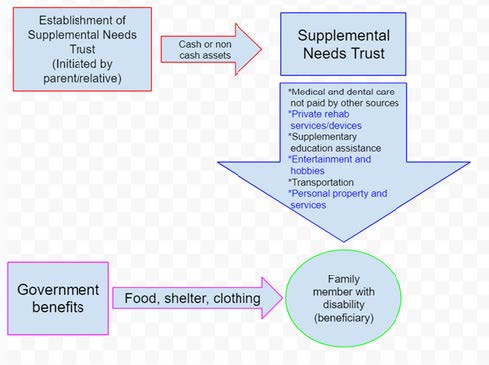
Special needs trusts & supplemental needs trusts have both similarities & differences. They are similar in that they both provide funds to pay for certain goods & services that are not covered by government programs & also help protect eligibility for government programs.
They are also different. A special needs trust is funded by the individual with disabilities, whereas a supplemental needs trust is funded by a family member. They also differ in what happens to the remaining money in the trust after the primary beneficiary dies. With a special needs trust, the state must be reimbursed, dollar-for-dollar for Medicaid expenses incurred during the beneficiary’s life. Any remaining funds in the trust can go to a secondary beneficiary. However, with a supplemental needs trust, Medicaid is not reimbursed, & the remaining funds can be passed to beneficiaries (for example: siblings).
I am going to focus on supplemental needs trusts since these trusts tend to be funded by parents or grandparents. A supplemental needs trust is a trust that focuses on enhancing the quality of life for individuals with disabilities by supplementing rather than replacing government benefits. The flowsheet demonstrates how this type of trust is funded and what the trust funds can be used for. It also reflects government benefits including food, shelter, & clothing.
Interested in Learning More?
If you are interested in learning more about supplemental needs trusts and special needs trusts, it is best to contact a lawyer who specializes in estate planning for families who have loved ones with disabilities. Usually the lawyers will meet with you for a complimentary visit to discuss your unique situation and answer questions.